

- The challenges of building unique systems like the world’s largest telescope
- What it’s like to coordinate all engineering activities at ESO
Engineering is a keystone of our modern world, and ESO is no exception. You might know us from the breathtaking images and scientific results enabled by our telescopes, but designing, building and operating these incredible machines is at the core of our mission. We spoke to ESO’s Director of Engineering, Dr. Sara Krauss, about the unique and indispensable engineering done here at ESO, as well as her lifelong love of engineering and her work to encourage young engineers.
“For me, engineers build dreams,” says Sara. “Scientists define the questions they want to answer and the discoveries they hope to make. It is then the role of engineers to transform those ambitions into reality, by creating the facilities and technologies that make them possible.”
Sara’s own fascination with these engineered dreams began early in life, inspired by the worlds of aviation and space exploration. Yet she was not content simply to admire the remarkable achievements that carried humanity beyond the confines of Earth. She wanted to be part of creating them, and this drew her to engineering. “I loved solving problems, the more complex the better, so I knew engineering was the answer,” she says. For Sara, engineering offered a perfect combination of creativity, innovation and analytical thinking, providing a pathway to turn ambitious ideas into tangible reality.
Sara’s engineering journey began in the United Kingdom, where she studied Aeronautical and Mechanical Engineering at City, University of London, before completing a PhD in Propulsion Engineering at the University of Cambridge. Since then, her career has spanned an impressive range of fields, from civil aerospace and defence to satellite operations and, more recently, engineering for astronomy. Whether developing technologies that enable flight, support missions in space or advance humanity’s understanding of the Universe, she has always had a desire to push boundaries. “I have a relentless energy, drive and passion for building new things that matter,” Sara says. “What excites me most is creating something for the very first time, often something people thought wasn't possible. Then, through engineering, you make it possible.”
More than 25 years into her career, Sara remains as enthusiastic as ever about working at the forefront of engineering and innovation. “I can honestly say I’ve never had a boring day in my working life,” she reflects. “That’s not to say that the journey has been easy, there has been plenty of hard work and sacrifice along the way. But when you’re working at the leading edge, building world-first systems, pushing the boundaries of knowledge and creating something that serves society, it has always felt exciting and worthwhile for me.”
Fulfilling ESO’s Mission
That desire to turn the seemingly impossible into reality is what attracted Sara to join ESO. “We are building really the world's largest telescope. It's the first of this class.” ESO’s Extremely Large Telescope (ELT) is currently under construction on Cerro Armazones in the Chilean Atacama Desert. Its 39-metre-diameter main mirror is by far the largest ever made for a telescope.
The creation of the ELT, along with all of ESO’s existing facilities, is fueled by ESO’s mission ‘to design, build and operate advanced ground-based observatories, and to foster international collaboration for astronomy’. As Director of Engineering, Sara manages the engineers fulfilling this mission.
Almost half of the organisation is made up of engineers, who are split across ESO’s Headquarters in Germany and the sites of ESO’s telescopes in Chile. Sara oversees the engineers and IT professionals based at ESO’s Headquarters, each individual playing a part in developing the telescopes of the future.

Leading complex projects and teams
Sara has to spin a lot of plates managing the range of projects and people behind these future technologies. “There is no such thing as a typical day. But I also like the variety.” From one day to the next she might be reviewing project schedules, figuring out the expertise and capabilities needed to meet project demands, or sitting on committees discussing the next major ESO endeavour. Sara’s role requires her to think in a lot of different timeframes and consider many moving parts. “These are very complex programmes, which come with a lot of different challenges, requiring constant adjustment and a lot of outside-the-box thinking to keep moving forward, but it's also rewarding when everything works,” she says.
Drawing on her experience as an engineer, leader, and more recently a graduate of the University of Oxford’s master’s in Major Programme Management, Sara brings a unique combination of technical and leadership expertise to her work. “Successful technology development requires a blend of skills,” she explains. “Technical expertise is essential, but equally important is the ability to build trust, motivate teams, and create an environment where people can do their best work.”
“The main reason I chose management was the opportunity to have a greater impact,” Sara continues. However, she emphasises that leadership is not the only rewarding career path in engineering. “Pursuing a technical career and becoming a recognised authority in your field can be just as fulfilling. My goal is not only to help develop the next generation of leaders, but also to support technical experts in reaching the highest levels of excellence. Both are critical to the success of engineering organisations.”
Building one-of-a-kind systems
As astronomers’ questions have advanced, the size, complexity, and cost of facilities required to answer them has increased. Larger telescopes are needed to capture fainter cosmic objects and resolve them in more detail, while more instruments are called for to encompass the multiple science purposes of each telescope. As an intergovernmental organisation, “[ESO is] one of the very few organisations who can build such large-scale infrastructures,” says Sara, “no other single institute in Europe could do it alone.” ESO technology is developed partly in-house and partly together with institutions and companies in ESO Member States and partners.
Engineering to facilitate the cutting-edge of astronomy requires a unique approach, which Sara says makes ESO a special place to work. “What I like specifically about ESO, is that we mainly build prototypes, so one-of-a-kind systems. It's pushing the leading edge of various technologies to get that extra efficiency and improved results and that's quite exciting.” For all aspects of the ELT — from the giant mirror, to the moveable 93-metre wide dome, to all the instruments used to extract data from the light collected — engineers have been required to develop innovative new technologies. “This requires getting multiple systems to work together seamlessly at nanometer precision, which is no small feat!” says Sara.
"I think what we do is very purposeful because you're not just building a product, you are actually delivering capabilities, which defines Europe's leading position in astronomy for decades," she explains. "Once the ELT is built, there will be no similar telescope anywhere else in the world, so the outcomes are very long lasting."
Sara has noticed something else driving engineering at ESO: “we do all the traditional engineering here: mechanical, electrical, etc, but a lot of the engineers that work here also have some interest in astronomy and that's why work becomes their passion as well.”
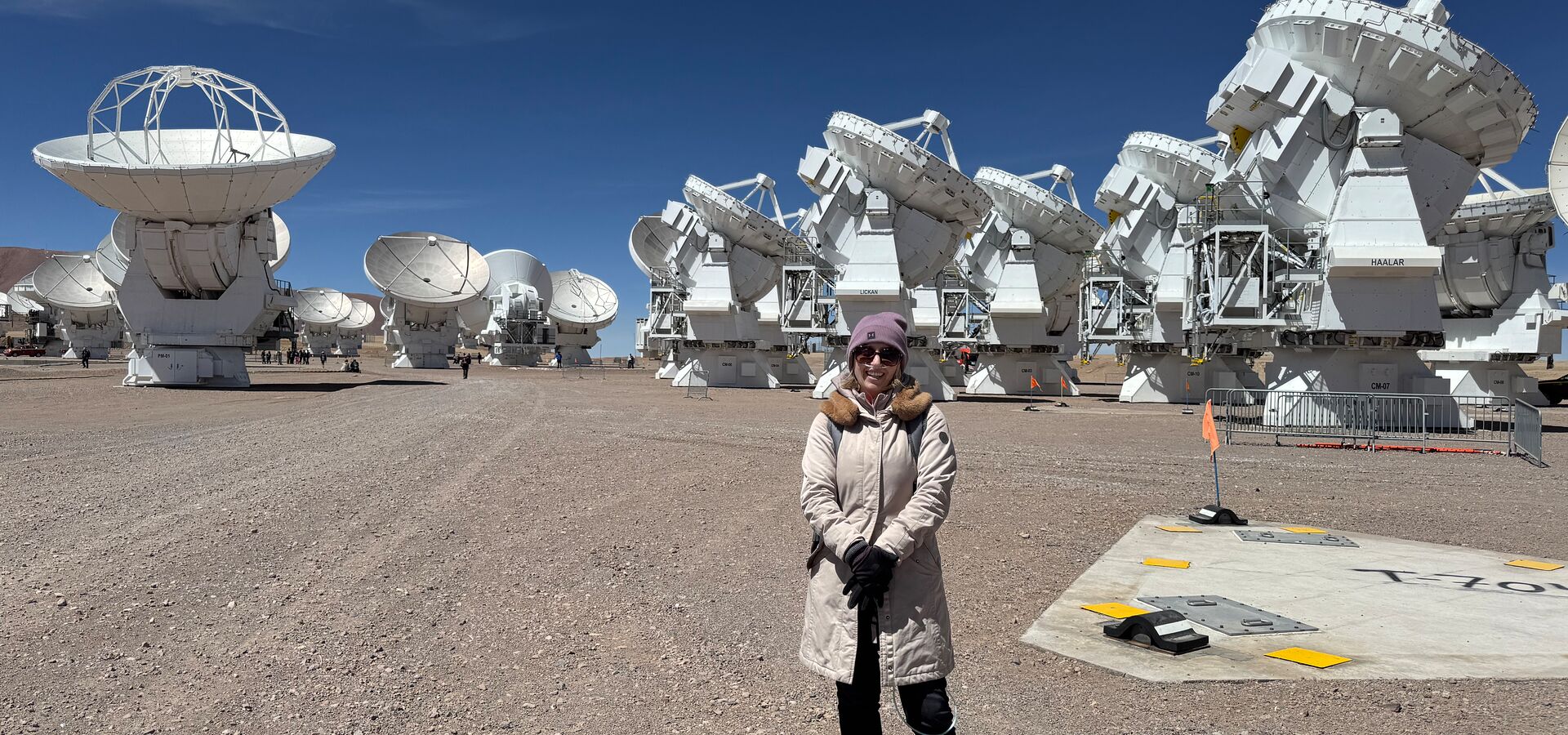
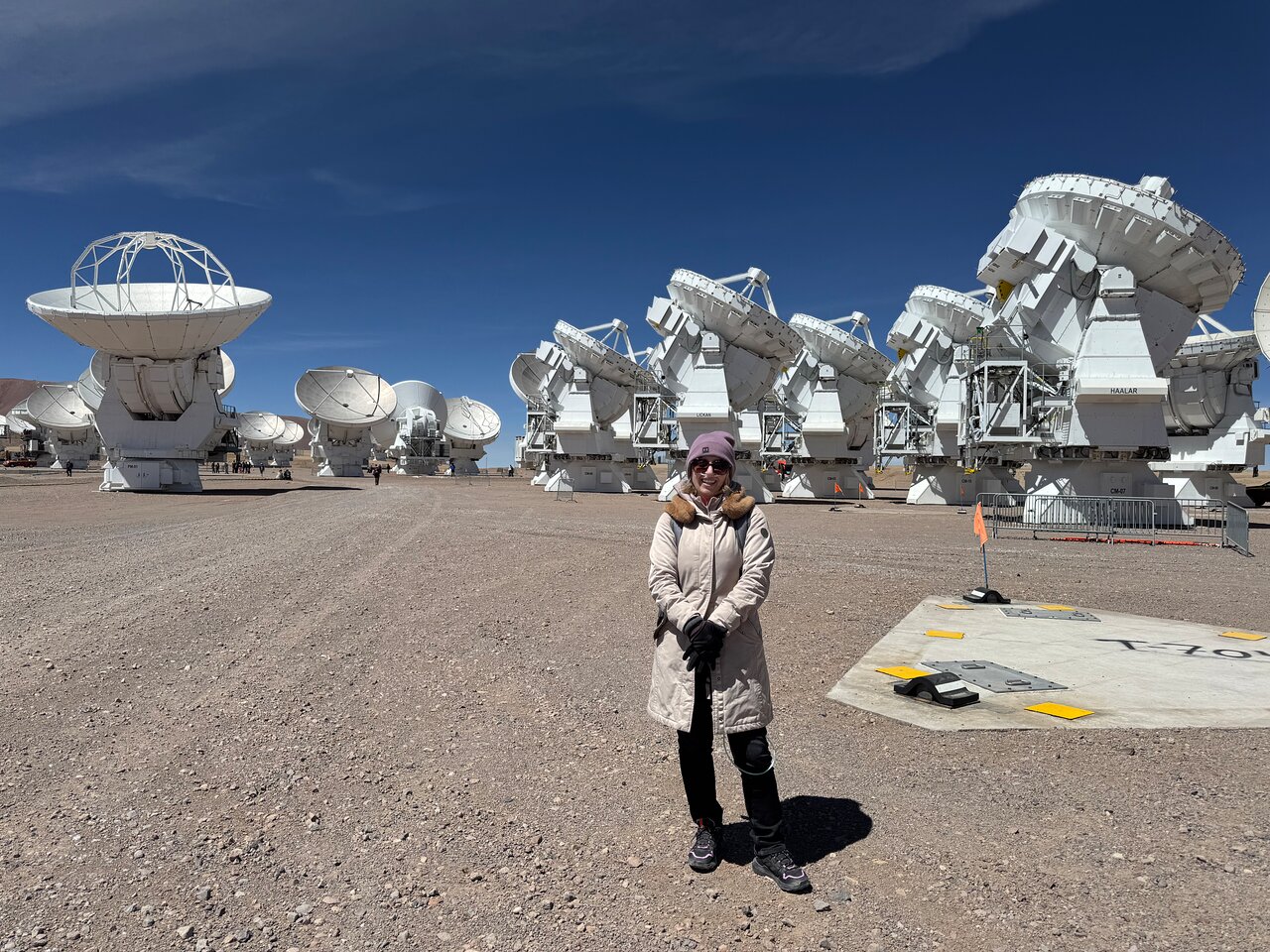
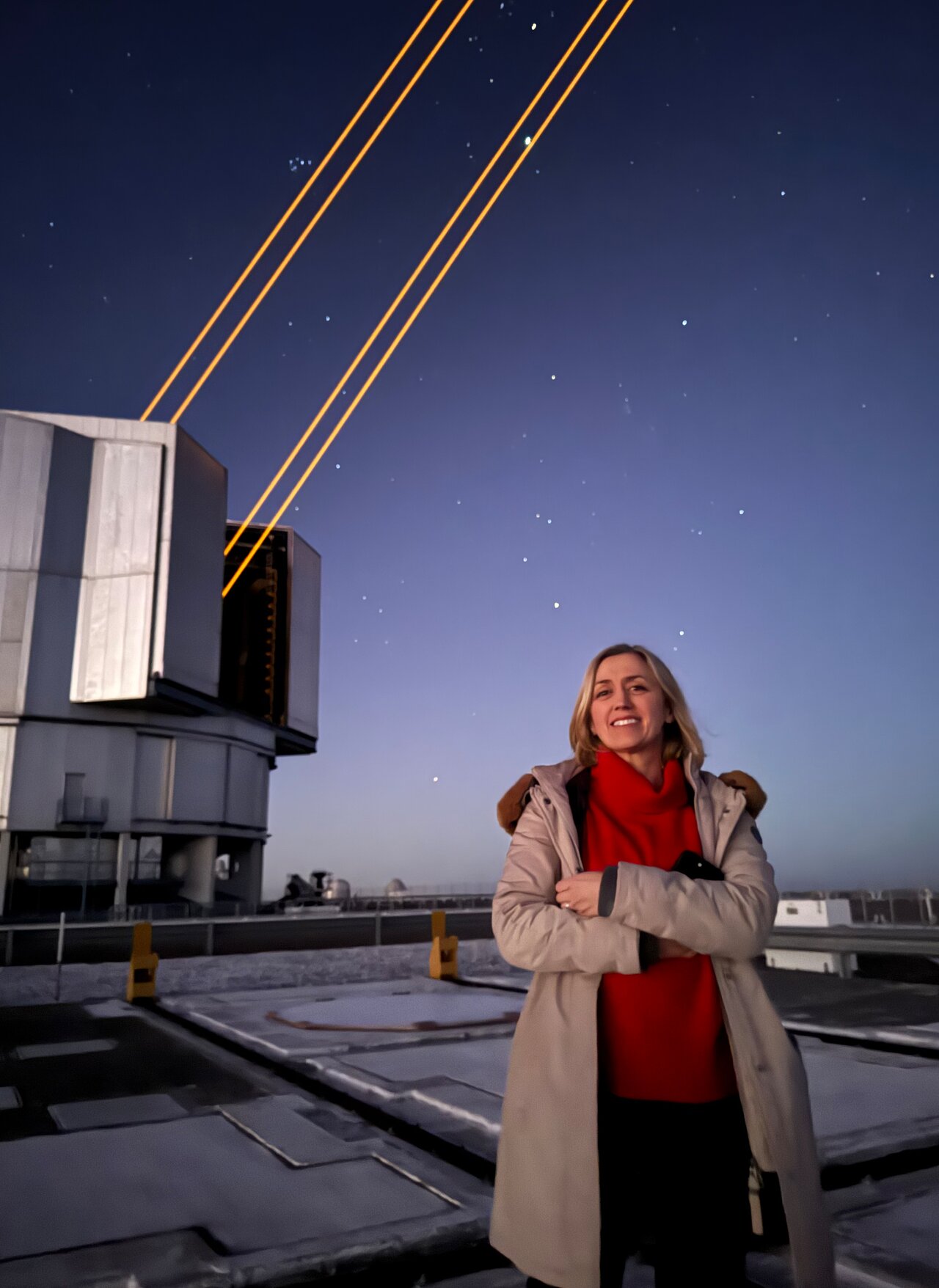
Sara saw the results of this passion when she visited ESO’s Paranal Observatory in the Atacama Desert for the first time. Paranal Observatory is the site of ESO’s flagship facility, the Very Large Telescope (VLT), 2635 metres above sea level, and is home to some of the darkest skies on the planet. “I was simply mind-blown, once you see the dark sky in Atacama, you understand why Chile is the best place to observe the sky!” she recalls, “when you understand what it takes to keep everything running on a remote mountain at 3000 metres, it’s truly remarkable what ESO has achieved. There are multiple telescopes, a wide range of instruments, and extensive test facilities to support. Observations take place year-round through continuous shift operations, while maintenance and unexpected challenges have to be managed every day. When you see everything that happens behind the scenes to make it all work, it’s incredibly impressive.”
Getting the ELT to the finish line
ESO’s model of developing both in-house and with industry and consortia takes facilities all the way from early concept designs to systems ready to ship to observatories in Chile. The next stage is where engineers install the parts and check they work as intended on-site, described as ‘Assembly, Integration and Verification’. For the ELT, which sits at an altitude of 3046 metres — 23 kilometres away from its operational site, Paranal Observatory — this stage is a key upcoming step in the mammoth project. “We will have up to 100 engineers going from [ESO Headquarters in Germany] to Chile to support this phase.”
“Our focus right now is really just getting the ELT to the finish line, whilst simultaneously supporting other programmes” says Sara. "Once the ELT is built, there will be no such similar telescope anywhere in the world. It's a world first, it is super exciting!”
With the ELT, which is planned to have first light with a test camera in 2029 and begin science operations in 2030, Sara says, “we will no doubt discover new things which we did not expect and we did not know before. Maybe we will even find the first signs of life somewhere else in the Universe. Contributing to an endeavour that expands the knowledge of all humankind is an extraordinary privilege and one of the most fulfilling parts of my job.” Another rewarding aspect of being part of such a groundbreaking project for Sara: “working with exceptional talent, seeing your team come together to achieve what once seemed impossible.”
Opening engineering to all
Sara describes engineering as “building the future” which makes sense when you imagine what the ELT will achieve. But it also means she prioritises keeping her field open to the next generation. “I personally think engineering is a great career choice for anyone who has a curious mind and enjoys tackling complex problems,” she says. “It offers endless opportunities to learn, innovate, and make a real difference.”
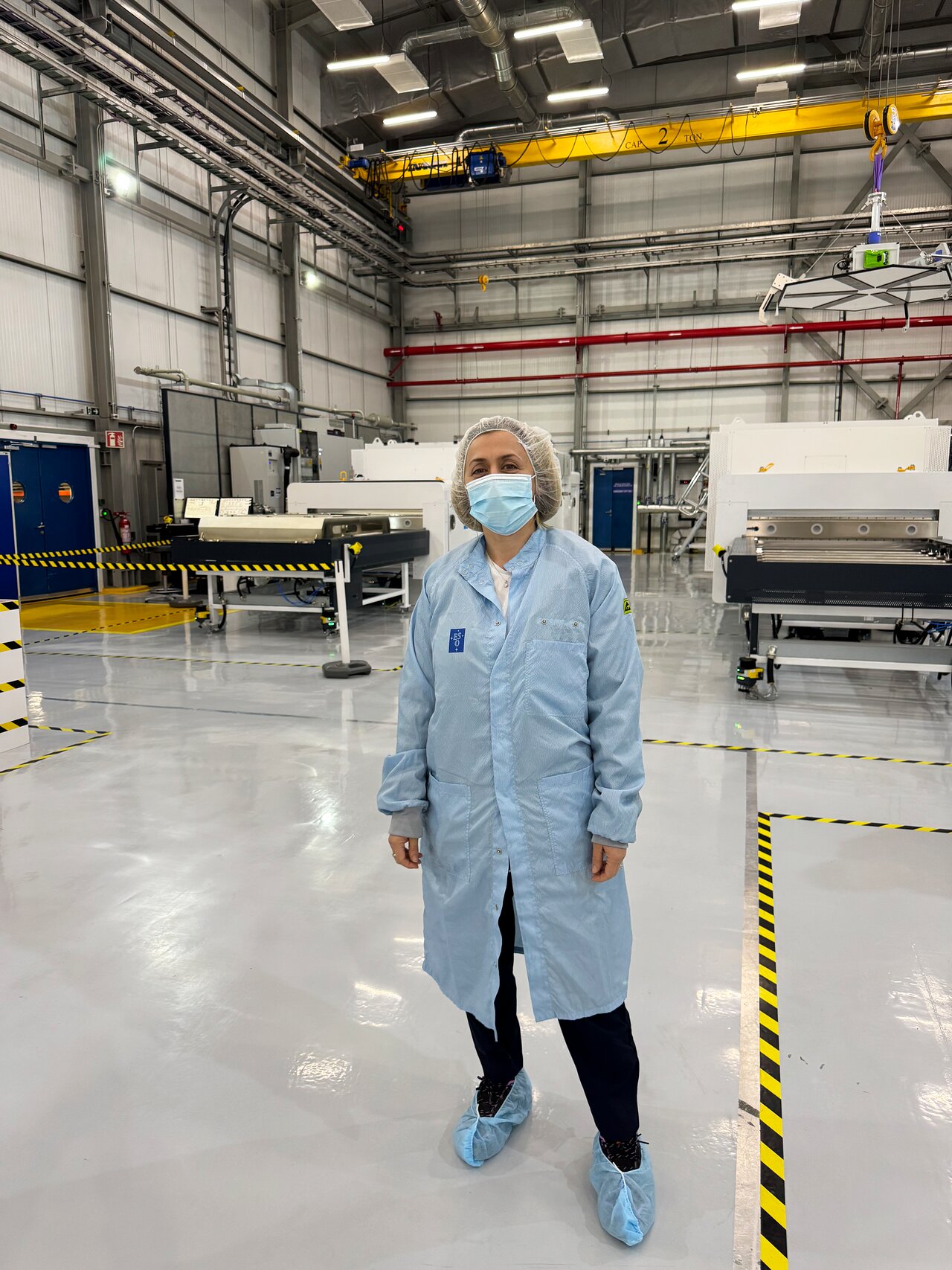
As Director of Engineering, Sara is involved in ESO initiatives to encourage young people onto fulfilling STEM career paths, from one-week placements for 15-year-old school pupils, to internships for university students and fully-funded PhD studentships for engineering graduates. Sara is working on further avenues for young engineers to join ESO: “This year, we launched a National Graduate Trainee Scheme, which is on- the- job training supported by participating ESO Member States, so we are looking forward to welcoming additional graduates coming through this route.”
Another important area of focus for Sara is increasing the number of women in engineering. As Sara explains, diversity and representation isn’t just a personal issue, it has practical consequences too. “When the teams designing systems are not representative of society, you end up building systems with blind spots, whether they will be in usability or accessibility or a broader societal impact. That's why I find it's important to have different perspectives in the team, it leads to better solutions.”
Countering the underrepresentation of women in engineering starts long before the hiring stage. For Sara, it starts with inspiring young girls to see engineering as a career they can pursue. One example is Germany's annual Girls’ Day initiative. “Each year, we host 50 schoolgirls at ESO, where they spend a day working on a range of engineering activities,” she explains. “It gives them an opportunity to experience first-hand the kind of work they could do if they choose a STEM career.” However, Sara is quick to point out that attracting talent is only part of the solution. Creating a more diverse engineering workforce also requires organisations to retain and support the people they recruit. “It means providing a supportive environment, ensuring equal access to high-impact projects, and creating opportunities for career growth.”
For Sara, creating a more inclusive engineering profession benefits everyone. Removing structural barriers and addressing unconscious bias helps ensure that talent can thrive, regardless of background. “Leadership visibility is especially important. You can't be what you can't see,” she says. Visible role models not only challenge outdated stereotypes but also encourage individuals to see engineering and leadership as paths open to them.
By helping to deliver the ELT and encouraging more young people to pursue engineering, Sara hopes to inspire future generations just as she was inspired herself. Her journey demonstrates the power of an engineering mindset: the ability to transform curiosity into discovery, complexity into solutions, and ambitious dreams into reality.
Biography Emma Elkington
Emma loves asking questions to understand the world (and cosmos) around us. She studied physics at the University of Cambridge and University College London, before deciding to pursue a career in science communication to share all things STEM with broader audiences. Following a science press office internship and freelancing, Emma joined ESO as a Science Communication Intern in 2026 to gain more professional experience. Since, she has taken on a new role at ESO as an Engineering Communicator.