Astronomers using the MUSE instrument on ESO’s Very Large Telescope in Chile, and the NASA/ESA Hubble Space Telescope, have made the most precise test yet of Einstein’s general theory of relativity outside the Milky Way. The nearby galaxy ESO 325-G004 acts as a strong gravitational lens, distorting light from a distant galaxy behind it to create an Einstein ring around its centre. By comparing the mass of ESO 325-G004 with the curvature of space around it, the astronomers found that gravity on these astronomical length-scales behaves as predicted by general relativity. This rules out some alternative theories of gravity.
Testo immagini e video disponibil su:
https://www.eso.org/public/news/eso1819/
Cordiali saluti,
Nicolas Cretton
ESON Switzerland
eson-switzerland@eso.org
21 Giugno 2018
|
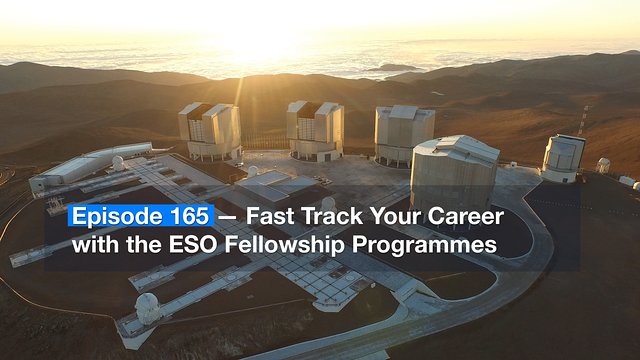
19 Giugno 2018: Each year, several outstanding early-career scientists have the opportunity to further develop their independent research through post-doctoral programmes at ESO. The ESO Fellowship Programme is available both in Chile and ...
|
| Leggi ancora |
|
19 Giugno 2018: Sono stati resi noti i vincitori dell’edizione di quest’anno del concorso AstroCamera. Il fotografo polacco Andrzej Fijołek è il vincitore della categoria "Oggetti del cielo profondo", con l ...
|
| Leggi ancora |
|
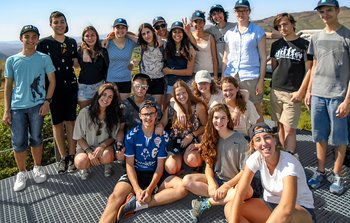
14 Giugno 2018: La vincitrice della borsa di studio offerta dall’ESO è stata selezionata tra più di 50 candidati provenienti da più di 10 Paesi. L’ESO è lieto di annunciare che ...
|
| Leggi ancora |
|
14 Giugno 2018: ESO is proud to announce the release of Europe to the Stars, a brand new open-source planetarium show that tells the story of ESO’s exploration of the southern sky ...
|
| Leggi ancora |
|
Interview with: Martino Romaniello
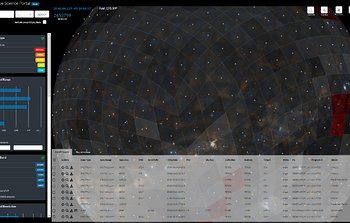
15 Giugno 2018: ESO is proud of being the most productive ground-based observatory in the world, making observations that led to over one thousand scientific papers in 2017 alone. But to produce such ...
|
| Leggi ancora |
|
|
|
|