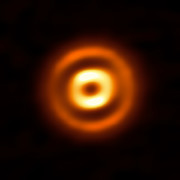
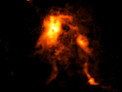
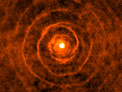
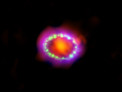
Gwiezdne wybuchy są najczęściej związane z supernowymi – spektakularnymi śmierciami gwiazd. Ale nowe obserwacje ALMA dostarczyły wglądu w eksplozje na drugim końcu gwiezdnego cyklu życia, przy narodzinach gwiazd. Astronomowie uzyskali te dramatyczne obrazy gdy badali podobne do fajerwerków pozostałości z narodzin grupy masywnych gwiazd. Pokazuje to, że powstawanie gwiazd także może być gwałtownym i wybuchowym procesem.
Pełen tekst, zdjęcia i filmy są dostępne na stronie:
http://www.eso.org/public/poland/news/eso1711/
Z pozdrowieniami,
Departament Edukacji i Popularyzacji ESO
7 kwietnia 2017

|
6 kwietnia 2017: ESO is delighted to announce that this year’s Tycho Brahe Prize has been awarded to Bernard Delabre, one of ESO’s optical engineers. The prize is awarded “in recognition ...
|
| Czytaj dalej |
|
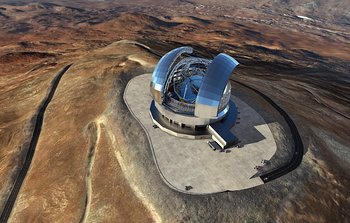
5 kwietnia 2017: Media representatives are invited to attend the first stone ceremony of the Extremely Large Telescope (ELT) on Friday 26 May 2017 on Cerro Armazones, a 3046-metre peak in northern Chile ...
|
| Czytaj dalej |
|
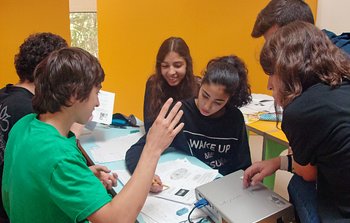
4 kwietnia 2017: Applications are now open for the ESO-supported Summer AstroCamp 2017. AstroCamp is an academic programme in the field of astronomy and physics, stimulating curiosity and critical thinking, organised by the ...
|
| Czytaj dalej |
|
31 marca 2017: The latest issue of the free magazine Science in School is now available online and in printed form. This European journal for science teachers offers up-to-date information on cutting-edge science ...
|
| Czytaj dalej |
|
30 marca 2017: The success of the Pale Red Dot campaign [1] was recognised in style last night when Queen Mary University of London, the institution that led the campaign [2], won the ...
|
| Czytaj dalej |
|
28 marca 2017: The latest edition of ESO's quarterly journal, The Messenger, is now available online. Find out the latest news from ESO on topics ranging from new instruments to the latest ...
|
| Czytaj dalej |
|
|
|
|