Gdy Betelgeza, jasna pomarańczowa gwiazda w konstelacji Oriona, stała się w widoczny sposób ciemniejsza pod koniec 2019 i na początku 2020 roku, zadziwiło to społeczność astronomiczną. Zespół astronomów opublikował nowe zdjęcia powierzchni gwiazdy, wykonane przy pomocy należącego do ESO teleskopu VLT, które wyraźnie pokazują, w jaki sposób zmieniła się jasność obiektu. Nowe badania wskazują, że gwiazd została częściowo przesłonięta przez obłok pyłu. To odkrycie rozwiązuje zagadkę „Wielkiego Pociemnienia” Betelgezy.
Pełen tekst, zdjęcia i filmy są dostępne na stronie:
https://www.eso.org/public/poland/news/eso2109/
Z pozdrowieniami,
The ESO Department of Communication
16 czerwca 2021

|
11 czerwca 2021: Preparations are being put in place to resume construction work on ESO’s Extremely Large Telescope (ELT) at Cerro Armazones in Chile, following disruption due to the COVID-19 pandemic, which ...
|
| Czytaj dalej |

|
1 czerwca 2021: Today, ESO signed an agreement with an international consortium to build and operate MAVIS, a unique instrument to be installed on ESO’s Very Large Telescope (VLT) that will provide ...
|
| Czytaj dalej |
|
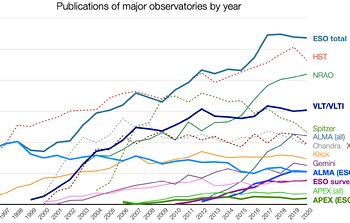
20 maja 2021: ESO observatories operated under challenging conditions in 2020 due to the unprecedented COVID-19 pandemic, having to reduce and even pause scientific observations for a few months. Nonetheless, 2020 was still ...
|
| Czytaj dalej |
|
Thea Elvin
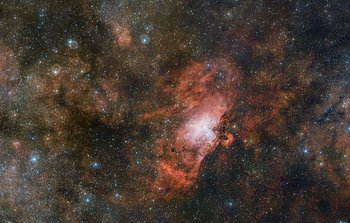
4 czerwca 2021: Next week, the VLT Survey Telescope (VST), located at ESO’s Paranal Observatory in the Chilean Atacama Desert, celebrates its tenth birthday. The anniversary marks ten years since the telescope’s “first ...
|
| Czytaj dalej |
|
Juan Carlos Muñoz Mateos
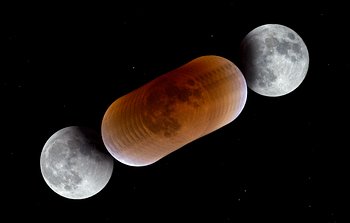
21 maja 2021: Astronomers have discovered thousands of exoplanets –– planets orbiting stars other than the Sun. When looking for the chemical fingerprints that life might have left in the atmospheres of these ...
|
| Czytaj dalej |
|
|
|
|