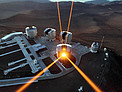
Astronomen die gebruik maken van het MUSE-instrument van ESO’s Very Large Telescope in Chili en de Hubble-ruimtetelescoop van NASA en ESA hebben de meest precieze test tot nu toe gedaan van Einsteins algemene relativiteitstheorie buiten de Melkweg. Het nabije sterrenstelsel ESO 325-G004 fungeert als een sterke zwaartekrachtlens en vervormt het licht van een verder weg staand sterrenstelsel tot een Einsteinring. Door de massa van ESO 325-G004 te vergelijken met de kromming van de omliggende ruimte, ontdekten de astronomen dat de zwaartekracht zich op deze astronomische lengteschalen gedraagt zoals voorspeld door de algemene relativiteitstheorie. Daarmee zijn enkele alternatieve zwaartekrachttheorie ontkracht.
Het persbericht, de afbeeldingen en de video's zijn te vinden op:
https://www.eso.org/public/netherlands/news/eso1819/
Met vriendelijke groet,
Ms. Marieke Baan
ESON Netherlands
Nederlandse Onderzoekschool voor Astronomie
eson-netherlands@eso.org
21 juni 2018
|
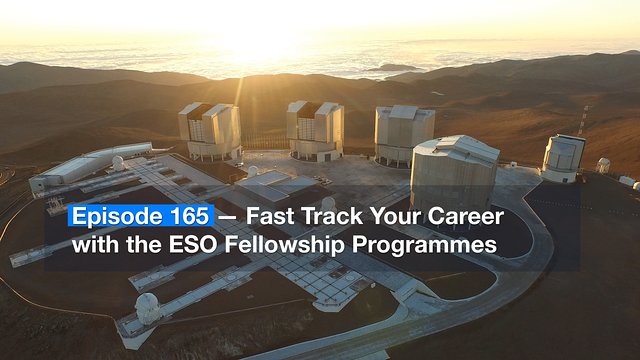
19 juni 2018: Each year, several outstanding early-career scientists have the opportunity to further develop their independent research through post-doctoral programmes at ESO. The ESO Fellowship Programme is available both in Chile and ...
|
| Lees verder |
|
19 juni 2018: The winners of this year’s AstroCamera competition have been announced. Polish astrophotographer Andrzej Fijołek is the winner in the Deep Sky Objects category for his spellbinding image of the ...
|
| Lees verder |
|
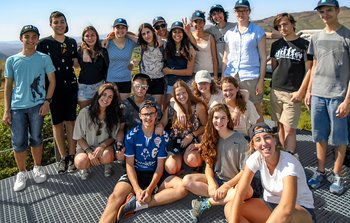
14 juni 2018: The winner of the AstroCamp 2018 bursary offered by ESO has now been selected from over 50 applications from more than 10 countries. ESO is delighted to announce that Paloma ...
|
| Lees verder |
|
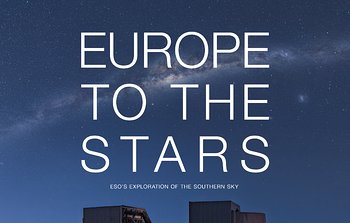
14 juni 2018: ESO is proud to announce the release of Europe to the Stars, a brand new open-source planetarium show that tells the story of ESO’s exploration of the southern sky ...
|
| Lees verder |
|
Interview with: Martino Romaniello
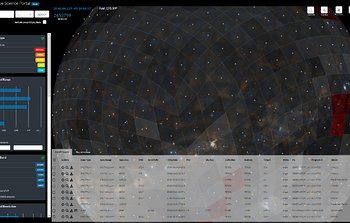
15 juni 2018: ESO is proud of being the most productive ground-based observatory in the world, making observations that led to over one thousand scientific papers in 2017 alone. But to produce such ...
|
| Lees verder |
|
|
|
|