La spettacolare nebulosa planetaria NGC 7009, nota anche come Nebulosa Saturno, emerge dall'oscurità come una serie di bolle deformate, illuminate di magnifici rosa e blu. Questa immagine variopinta è stata ottenuta dello strumento MUSE montato sul VLT (Very Large Telescope) dell'ESO, nell'ambito di uno studio inteso a realizzare per la prima volta una mappa della polvere all'interno di una nebulosa planetaria. La mappa - che mostra numerose strutture intricate nella polvere, tra cui alcuni gusci, un alone e una strana struttura che ricorda un'onda - sarà un riferimento per gli astronomi che vogliono capire come le nebulose planetarie svilupano le loro strane forme e le loro simmetrie.
Testo immagini e video disponibili su:
http://www.eso.org/public/italy/news/eso1731/
Cordiali saluti,
Il dipartimento dell'ESO per l'educazione e la divulgazione
27 Settembre 2017
|
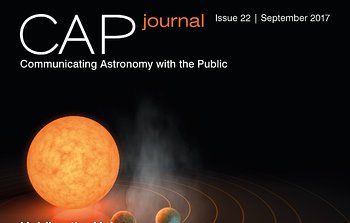
26 Settembre 2017: The 22nd issue of the Communicating Astronomy with the Public journal is out now!
In this issue you will find articles exploring the value and challenges of communicating in venues ...
|
| Leggi ancora |
|
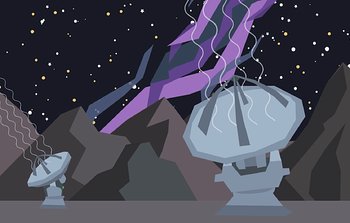
25 Settembre 2017: The human eye perceives light in the visible range of the spectrum, but this is just a tiny portion of the light that comes from the cosmos. What we see ...
|
| Leggi ancora |

|
Interview with: Petr Horálek
22 Settembre 2017: The skies above ESO’s sites in the Atacama Desert in Chile are among the darkest and most pristine in the world. Professional astronomers use ESO’s advanced instrumentation to seek answers ...
|
| Leggi ancora |
|
|
|
|