Einsteins generelle relativitetsteori gælder også udenfor Mælkevejen, viser den hidtil mest præcise test. Det er observationer med instrumentet MUSE på ESOs Very Large Telescope i Chile og Hubble Rumteleskopet, som har samarbejdet om det nye resultat. Den nære galakse ESO 325-G004 fungerer som gravitationslinse, hvor lyset fra en fjernere galakse længere borte bliver afbøjet, og danner en einsteinring. Sammenligninger imellem massen for ESO 325-G004 og rummets krumning omkring den viser, at tyngdekraften også på disse astronomiske afstande opfører sig som forudsagt efter den generelle relativitetsteori.
Pressemeddelelsen, billederne og videoerne er tilgængelige på:
https://www.eso.org/public/denmark/news/eso1819/
Med venlig hilsen,
ESOs uddannelse- og formidlingsafdeling
21. juni 2018
|
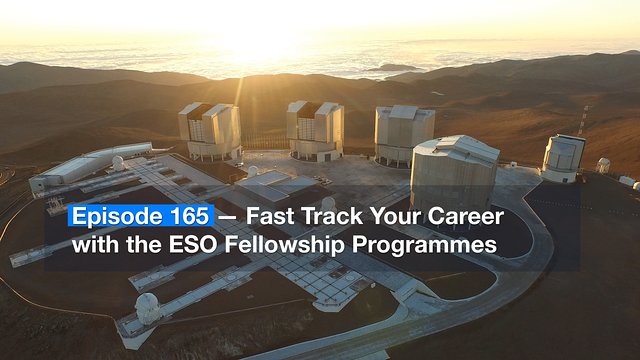
19. juni 2018: Each year, several outstanding early-career scientists have the opportunity to further develop their independent research through post-doctoral programmes at ESO. The ESO Fellowship Programme is available both in Chile and ...
|
| Læs mere |
|
19. juni 2018: The winners of this year’s AstroCamera competition have been announced. Polish astrophotographer Andrzej Fijołek is the winner in the Deep Sky Objects category for his spellbinding image of the ...
|
| Læs mere |
|
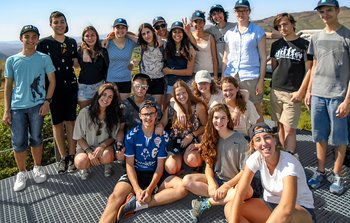
14. juni 2018: The winner of the AstroCamp 2018 bursary offered by ESO has now been selected from over 50 applications from more than 10 countries. ESO is delighted to announce that Paloma ...
|
| Læs mere |
|
14. juni 2018: ESO is proud to announce the release of Europe to the Stars, a brand new open-source planetarium show that tells the story of ESO’s exploration of the southern sky ...
|
| Læs mere |
|
Interview with: Martino Romaniello
15. juni 2018: ESO is proud of being the most productive ground-based observatory in the world, making observations that led to over one thousand scientific papers in 2017 alone. But to produce such ...
|
| Læs mere |
|
|
|
|