Pozorování provedená pomocí spektrografu HARPS na observatoři La Silla v Chile odhalila nečekané změny jasných skvrn na povrchu trpasličí planety Ceres. Přestože Ceres vypadá při pohledu ze Země jen o málo větší než bod, pečlivá spektroskopická pozorování odraženého světla odhalila nejen očekávané změny způsobené rotací tělesa, ale také zjasňování skvrn na povrchu během dne i další variace. Provedená pozorování tak naznačují, že světlý materiál skvrn je těkavý a odpařuje se působením slunečního záření.
The release, images and videos are available on:
http://www.eso.org/public/czechrepublic/news/eso1609/
Kind regards,
Mgr. Viktor Votruba PhD
ESON Czech Republic
Academy of Sciences of the Czech Republic
eson-czech@eso.org
16. března 2016
|
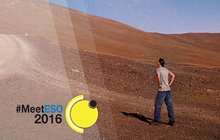
16. března 2016: On 15 February ESO announced its first social media gathering, launching a call to keen social media users from ESON countries interested in visiting its observatory sites in Chile. In ...
|
| Číst více |
|
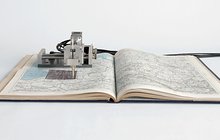
15. března 2016: The winners of the 2015 art&science@ESO Residency Award are Quadrature, a group of artists from Berlin, Germany. The group consists of Jan Bernstein, Sebastian Neitsch and Juliane Götz. Together ...
|
| Číst více |
|
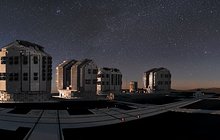
14. března 2016: In 2014, Dutch astronomer Frans Snik designed a model of ESO’s European Extremely Large Telescope (E-ELT) using LEGO® components. Following on from the success of that design (more than ...
|
| Číst více |

|
10. března 2016: The latest issue of the free magazine Science in School is now available online and in printed form. This European journal for science teachers offers inspiring articles, fun games and ...
|
| Číst více |
|
|
|
|