Astronomové využili přístroj MUSE pracující ve spojení s dalekohledem ESO/VLT v Chile a kosmický teleskop HST k provedení dosud nejpřesnějšího testu Einsteinovy obecné teorie relativity za hranicemi naší Galaxie. Blízká galaxie s označením ESO 325-G004 funguje jako silná gravitační čočka, svým působením zakřivuje paprsky přicházející ze vzdálenějších galaxií ležících v pozadí a kolem jejího středu vzniká útvar známý jako Einsteinův prsten. Porovnáním hmotnosti galaxie ESO 325-G004 se zakřivením prostoru v jejím okolí se astronomům podařilo ukázat, že se gravitace v těchto astronomických měřítcích chová tak, jak předpovídá obecná teorie relativity. Díky tomu je možné vyloučit z vědeckých úvah některé z alternativních teorií gravitace.
The release, images and videos are available on:
https://www.eso.org/public/czechrepublic/news/eso1819/
Kind regards,
Mgr. Viktor Votruba PhD
ESON Czech Republic
Academy of Sciences of the Czech Republic
eson-czech@eso.org
21. června 2018
|
19. června 2018: Each year, several outstanding early-career scientists have the opportunity to further develop their independent research through post-doctoral programmes at ESO. The ESO Fellowship Programme is available both in Chile and ...
|
| Číst více |
|
19. června 2018: The winners of this year’s AstroCamera competition have been announced. Polish astrophotographer Andrzej Fijołek is the winner in the Deep Sky Objects category for his spellbinding image of the ...
|
| Číst více |
|
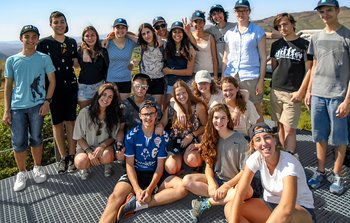
14. června 2018: The winner of the AstroCamp 2018 bursary offered by ESO has now been selected from over 50 applications from more than 10 countries. ESO is delighted to announce that Paloma ...
|
| Číst více |
|
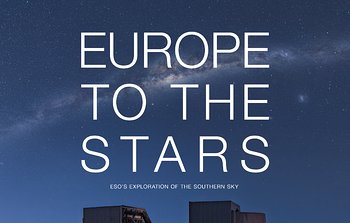
14. června 2018: ESO is proud to announce the release of Europe to the Stars, a brand new open-source planetarium show that tells the story of ESO’s exploration of the southern sky ...
|
| Číst více |
|
Interview with: Martino Romaniello
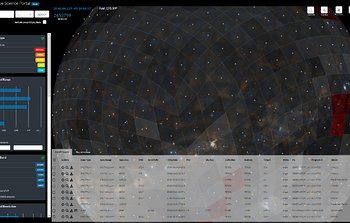
15. června 2018: ESO is proud of being the most productive ground-based observatory in the world, making observations that led to over one thousand scientific papers in 2017 alone. But to produce such ...
|
| Číst více |
|
|
|
|